
In the current competitive business environment, small and medium enterprises (SMEs) encounter various challenges—from efficiently managing multiple operations to keeping up with market trends. A robust solution that can assist SMEs in optimizing their processes and enhancing growth is an Enterprise Resource Planning (ERP) system.
What is an ERP System?
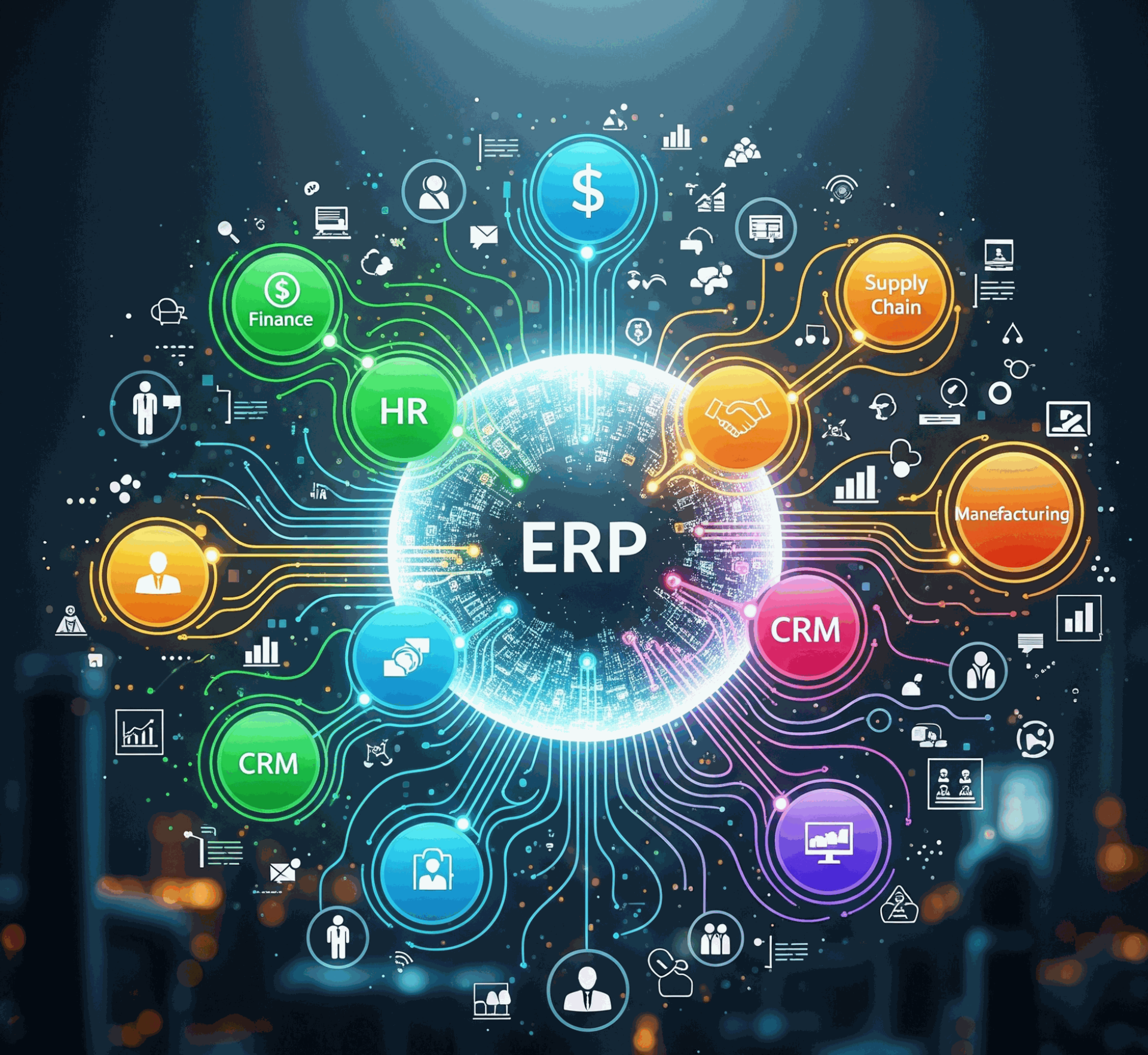
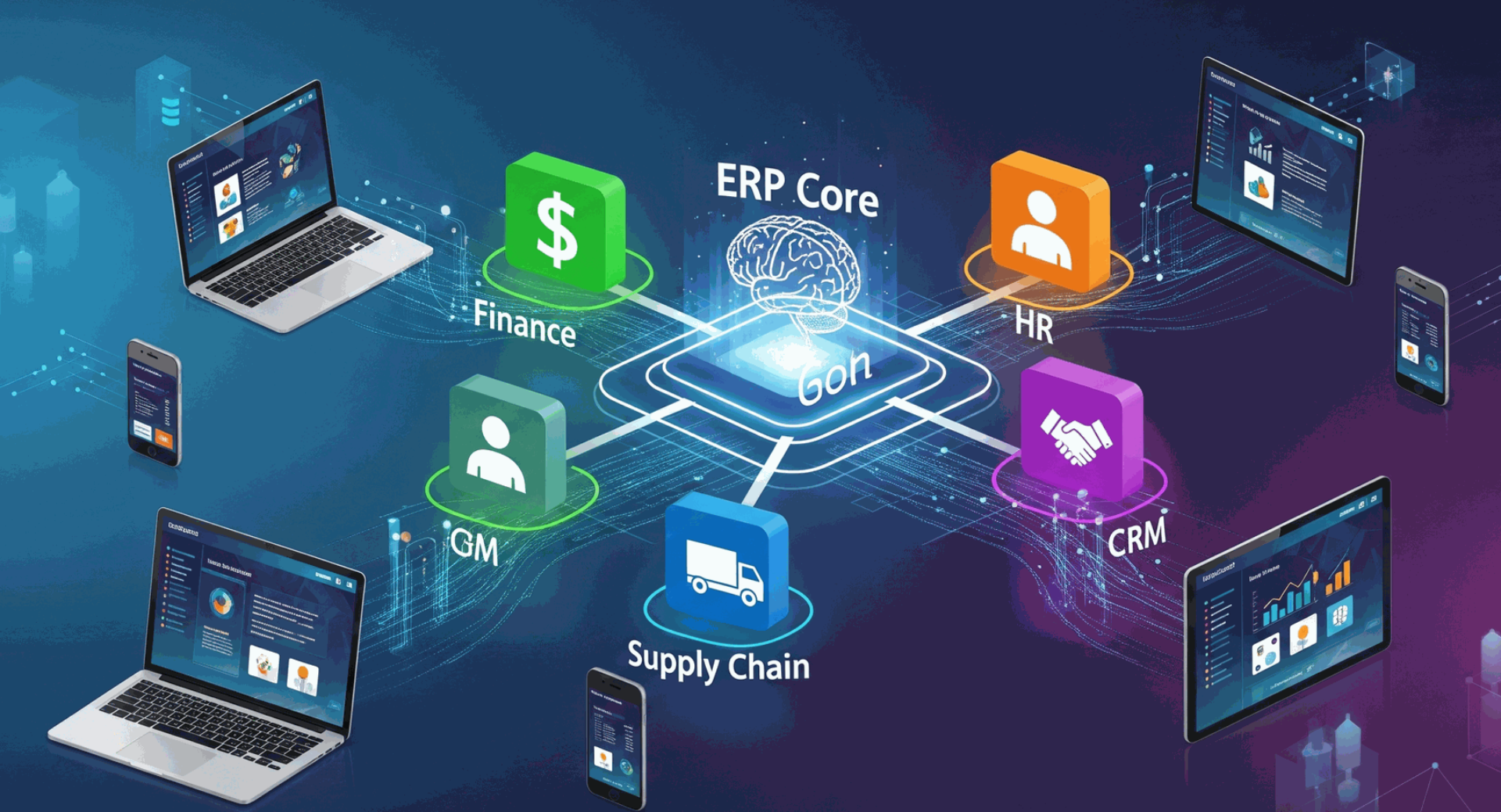
An ERP system is a comprehensive software platform that integrates core business processes such as finance, procurement, manufacturing, supply chain, human resources, and customer relationship management into a unified system. By consolidating data into a single source of truth, ERP systems enable better decision-making, enhanced productivity, and improved operational efficiency.
Key Benefits of ERP Systems for SMEs
1. Improved Operational Efficiency
ERP automates routine tasks, reduces manual data entry, and minimizes errors. This leads to faster processes, optimized resource utilization, and reduced operational costs.
2. Enhanced Data Accuracy and Reporting
Having a centralized database ensures that all departments access the same up-to-date information. This accuracy is crucial for generating reliable reports, analyzing performance, and making informed decisions swiftly.
3. Better Financial Management
ERP systems provide real-time insights into cash flow, expenses, and revenue, enabling SMEs to manage budgets more effectively. Automated invoicing and accounting features also streamline financial workflows.
4. Streamlined Supply Chain Management
From procurement to inventory management, ERP solutions help SMEs optimize their supply chain, reduce stockouts or overstocking, and improve delivery times.
5. Scalability and Flexibility
Modern ERP solutions are scalable, allowing SMEs to add new modules or users as their business grows. This flexibility supports long-term planning and expansion.
6. Improved Customer Service
With integrated CRM features, SMEs can better understand customer needs, manage relationships, and deliver personalized service—boosting customer satisfaction and loyalty.
7. Regulatory Compliance and Security
ERP systems often come with built-in compliance standards and security features, helping SMEs meet legal requirements and protect sensitive data.
Why Should SMEs Consider Implementing ERP?
While initially seen as enterprise-grade solutions, ERP systems are now more accessible and affordable for SMEs. Cloud-based ERP options further reduce upfront costs and simplify deployment. Implementing an ERP can:
- Drive efficiency and productivity
- Enable data-driven decisions
- Foster collaboration across departments
- Support future growth
Final Thoughts
For SMEs aiming to stay competitive and agile, adopting an ERP system can be a game-changer. By unifying processes, improving data accuracy, and enhancing decision-making capabilities, ERP empowers small and medium businesses to operate more efficiently and scale effectively.
Investing in the right ERP solution today can set the foundation for a more streamlined, profitable, and resilient business tomorrow.